
Tourism Forum
Tourism Forum
-
New Zealand Tourism Forum
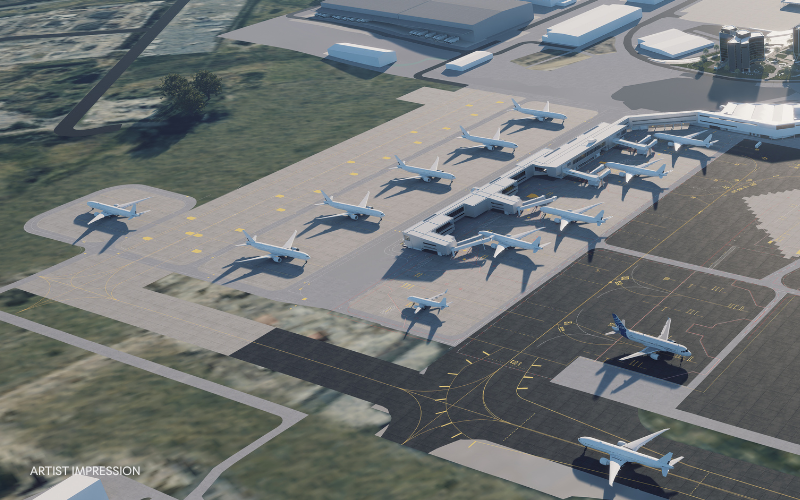
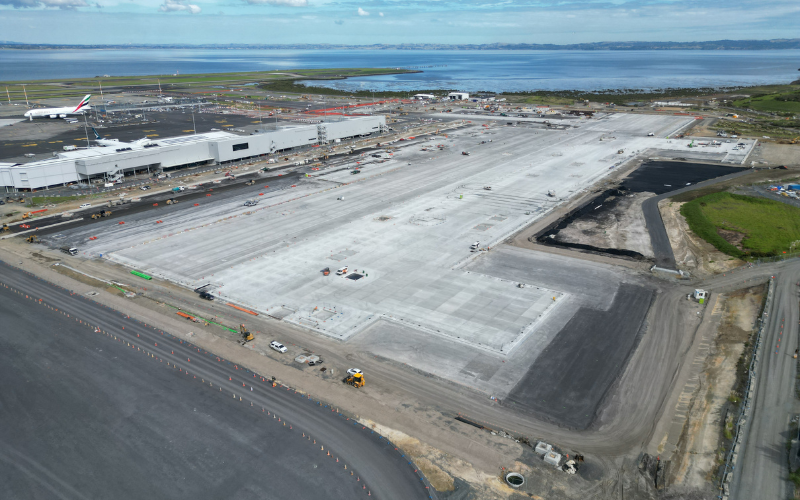
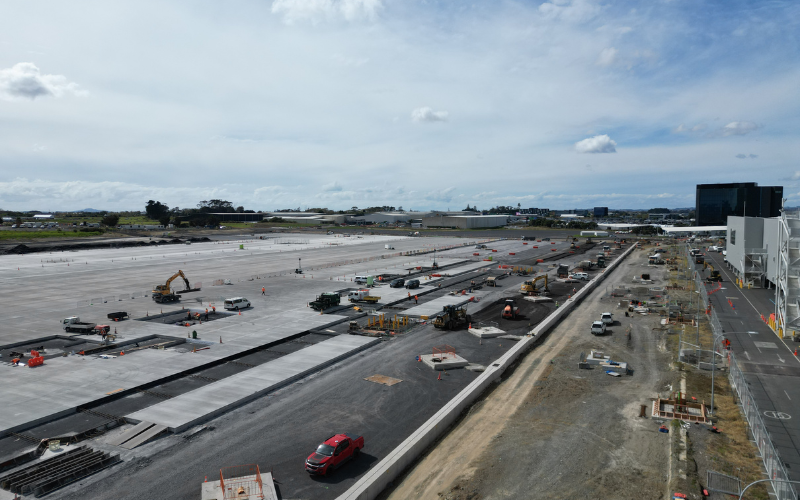
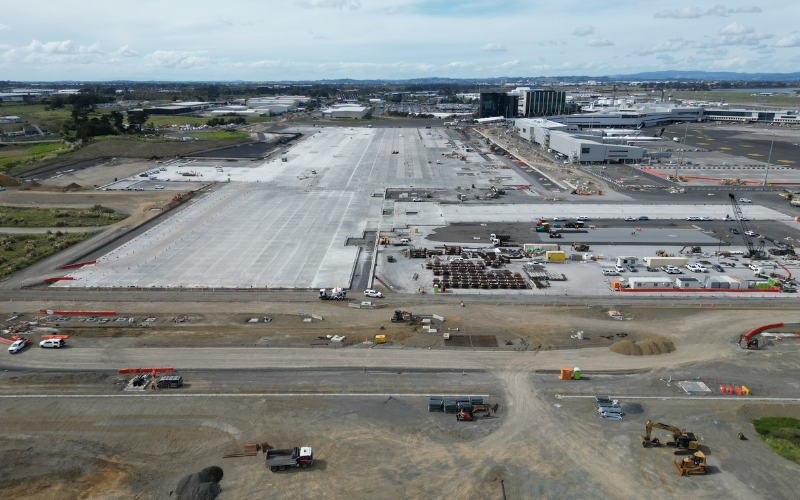
Set to open later this year, Auckland Airport’s northern airfield expansion is the largest in our history.
This new space, covering an area the size of 23 rugby fields, will support six flexible configured aircraft parking stands, which can accommodate six widebody aircraft or 12 narrow body aircraft. Five of the stands are Code F capable, which can accommodate the largest commercial aircraft in the world, the Airbus A380.
Five of the stands include in-ground jet fuel hydrants for tanker-free fuelling of aircraft.
The stands also include in-ground power units, allowing aircraft to plug into the electricity supply network rather than relying on diesel fuelled mobile units. This helps reduce emissions on the ground while improving overall airline efficiency.
The airfield is future proofed and will connect to a new cargo precinct, and eventually a future second runway.
Sustainability is built into the foundations.
More than 100,000 tonnes of old runway concrete slabs have been recycled to form the base of the new airfield. A dedicated concrete batching plant on site also helps reduce truck movements on nearby roads.
Beneath the airfield, a 3.5-kilometre stormwater network supports Auckland Airport’s long-term sustainability goals. The new system services a 106-hectare catchment north of the international terminal. Stormwater is channelled through slot drains into large manholes – some of them two metres wide and buried up to four metres deep – before reaching a new biofilter treatment pond at the western edge of the airport. This coupled wetland biofilter is the first of its kind in New Zealand at this scale and is futureproofed with capacity for planned development in the northern precinct in the future.
To support the expanded infrastructure, a new high-tech power centre is also being built. It will supply and control lighting across the expanded airfield, parts of the runway, taxiways, and aprons. These lights play a vital role in aircraft navigation and must be visible in all weather.
In future, the new lighting system will be enabled to report faults automatically and allow each smart fitting to be controlled remotely and independently, bringing greater safety and efficiency to airfield operations.
The development will provide additional capacity for our international apron and is a critical enabler for the continued development of the new domestic jet terminal.